Finding the Ideal Remodeling Contractor: Critical Questions You Should Ask
Selecting the best remodeling contractor is critical for the completion of any home remodeling project. A large number of homeowners underestimate the value of asking the right questions. Cost is not the only factor; experience, communication, and reliability play important roles. Being aware of these considerations can help secure a seamless process. However, knowing which questions to ask can be overwhelming. What should be prioritized when vetting potential contractors? The following are essential points to assist with the selection process.
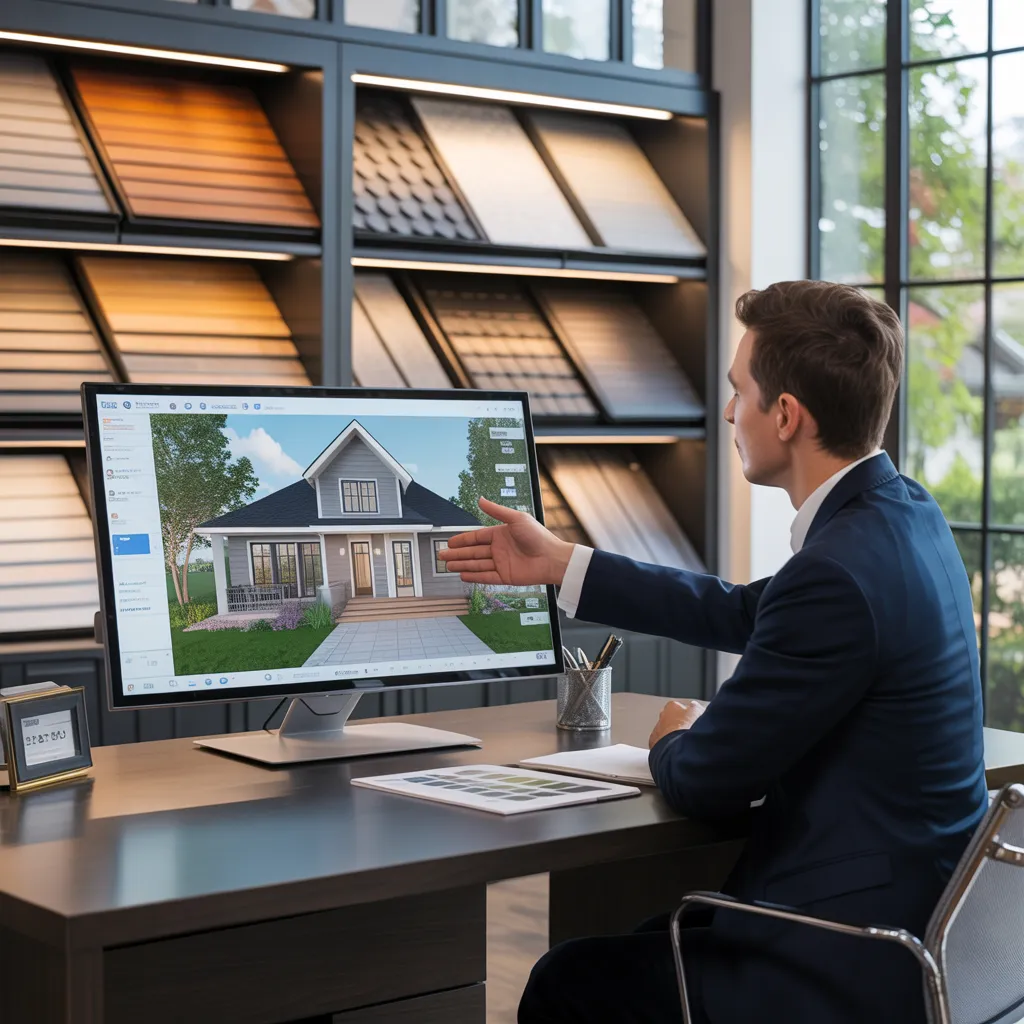
The Importance of Choosing the Right Remodeling Contractor
Picking the right remodeling contractor is crucial, as the outcome of a home improvement project can significantly impact both the functionality and visual appeal of a property. A talented contractor ensures that work is completed efficiently, respecting deadlines and financial plans. Their knowledge can improve the overall standard of workmanship, resulting in a living area that fulfills the homeowner's goals and desires.
In addition, a skilled contractor encourages open communication, providing updates and addressing concerns throughout the remodeling process. Such openness establishes trust and permits modifications when needed. Additionally, choosing the appropriate contractor minimizes the risk of potential issues, such as structural problems or design flaws, which can stem from unskilled craftsmanship. At the end of the day, the selection of contractor can shape not only the immediate satisfaction with the renovation but also the lasting worth and pleasure of the residence, highlighting the importance of making an informed decision.
What Qualifications Should Your Remodeling Contractor Possess?
A properly credentialed remodeling contractor should have a variety of credentials that demonstrate their expertise and reliability. Important qualifications encompass state licenses, which verify compliance with local regulations and building codes. In addition, industry certifications from organizations such as the National Association of the Remodeling Industry (NARI) or the National Kitchen & Bath Association (NKBA) signify specialized training and adherence to best practices.
Insurance coverage, notably liability and workers' compensation, is of utmost importance, protecting both the contractor and the homeowner from unforeseen financial burdens. Furthermore, a strong collection of past project examples can offer valuable information about the contractor's capabilities and artistic vision.
Participation in industry associations signifies a commitment to the profession and ongoing education. Furthermore, consumer assurance credentials, such as a Better Business Bureau (BBB) accreditation, can provide an additional level of assurance regarding the professional's integrity and professional conduct. Collectively, these qualifications confirm that residents hire a competent and trustworthy professional.
How to Verify Contractor References and Reviews
When hiring a renovation contractor, confirming references and reviews is vital for securing high-quality work. Future clients should search online platforms for feedback and evaluations, as well as contact previous clients directly to obtain firsthand information. This process can greatly inform decisions and highlight potential red flags.
Browse Online Platforms
What steps can potential clients take to verify a remodeling contractor's credibility? One practical method is to examine several online platforms focused on contractor evaluations. Platforms such as Yelp, Angie's List, and Houzz provide a rich source of information, including client ratings and in-depth feedback. Clients should look for patterns in reviews, noting both positive and negative experiences. A contractor boasting steady high ratings and positive commentary is typically a dependable selection. Moreover, social media networks can reveal useful information about a contractor's recent work and client relationships. Joining online discussion boards or local community groups may also produce worthwhile suggestions. Through the use of these tools, clients can reach well-informed conclusions, securing a reliable and skilled remodeling contractor for their needs.
Contact Past Clients
What steps can clients take to guarantee that a remodeling contractor is dependable? An excellent strategy is to speak with previous clients to gain valuable perspectives. It is advisable for clients to ask for a reference list and personally contact former customers regarding their experiences. Important questions to consider involve asking about the project's schedule, budget compliance, and the contractor's approach to communication. It's also advisable to ask whether the clients would hire the contractor again. Furthermore, clients are encouraged to seek out reviews on independent platforms to obtain an unbiased viewpoint. With a range of feedback gathered, clients can more accurately judge the contractor's trustworthiness and standard of work. This comprehensive evaluation process can significantly lower the chances of disappointment in remodeling endeavors.
Exploring the Average Remodeling Project Timeline
Comprehending the general home remodeling schedule is essential for homeowners like you to establish proper expectations. The following will outline the key stages involved, address common delays that may arise, and clarify the final walkthrough process. By grasping these elements, homeowners can successfully guide their remodeling process.
Summary of Project Phases
A standard remodeling project proceeds through multiple important stages, every one of which plays a vital role in achieving a successful result. The opening phase focuses on planning and design, where clients partner with their contractors to outline the scope, budget, and timeline. After the plans have been completed, the following stage involves securing the required permits and approvals, which are subject to change based on regional requirements.
After this, the construction stage gets underway, defined by demolition, structural work, and installation of new elements. This stage typically necessitates continuous dialogue between the contractor and the homeowner to resolve any changes or questions. Ultimately, the project comes to completion with a comprehensive review and walkthrough to confirm everything meets the established criteria. Each phase plays a critical role in the overall success of the remodeling endeavor.
Common Timeline Delays
Timely completion of a remodeling project can be significantly affected by numerous setbacks, which frequently occur throughout various phases of the work. Frequent contributing factors include permit-related complications, as regional guidelines can lengthen the approval process. Supply availability likewise has a significant impact; interruptions in deliveries can halt advancement. Unanticipated construction defects, such as undiscovered water damage, may demand more time for remediation. Weather conditions can further disrupt scheduling, particularly in outdoor projects. Additionally, labor shortages may lead to delays in securing skilled workers. Open correspondence between the remodeler and the client is fundamental, as misunderstandings regarding project scope can also contribute to extended timelines. Understanding these potential delays can help homeowners set realistic expectations for their remodeling projects.
Complete Walkthrough Procedure
In what way does the final walkthrough mark the conclusion of a remodeling project? This essential step allows homeowners to inspect the completed work, ensuring it meets their expectations and aligns with the initial plans. Throughout the walkthrough, the contractor and homeowner go over every aspect, from surface finishes to operational functionality. This is the opportunity to identify any discrepancies or issues that need addressing before final payment. Homeowners should come prepared with a checklist and any documentation related to the project. A successful final walkthrough not only confirms satisfaction but also solidifies the relationship between the contractor and homeowner. Clear communication and openness during this stage can help avoid misunderstandings, setting the foundation for future partnerships or referrals.
Exploring Your Budgeting and Payment Choices
Effective budgeting is essential for anyone embarking on a renovation project, as it creates the groundwork for financial organization and informed decisions. Property owners should start by identifying a reasonable budget that covers all possible expenses, including materials, labor, and unexpected expenses. It is advisable to set aside an extra ten to twenty percent for unexpected circumstances to handle unanticipated challenges that may arise during the remodeling process.
When reviewing payment terms with construction professionals, homeowners should ask about billing schedules, which can vary greatly. Certain contractors may request a down payment in advance, with the remaining amount due upon project milestones or completion. Being familiar with these conditions allows homeowners to manage cash flow effectively.
Furthermore, homeowners can consider payment options, including home equity loans or personal loans, to assist with covering expenses. Direct and honest communication about budget expectations and payment solutions with the hired contractor helps ensure that budgetary expectations are view this guide in agreement, decreasing the probability of conflicts arising later.
How Are You Kept in the Loop?
Open dialogue about budgeting and payment arrangements sets the stage for regular updates throughout the renovation process. A reliable contractor should develop a systematic approach to keeping clients updated. This could encompass routine meetings to evaluate progress, whether in person or through video calls. Written documentation may also be supplied, describing finished work and planned activities.
In addition, leveraging digital tools is growing more widespread. Contractors might employ specialized project management platforms that gives clients the ability to follow timelines and milestones in real-time. Such openness builds trust and guarantees that clients are kept involved during the entire project.
Furthermore, swift alerts about changes of any kind—whether involving deadlines, supplies, or unexpected complications—are essential. Through addressing these key factors, a renovation contractor showcases their dedication to quality service and customer satisfaction, providing a well-informed and cooperative renovation process.
What Warranties and Guarantees Should You Anticipate?
What warranties and guarantees should homeowners look for when engaging a remodeling contractor? Typically, contractors offer two primary types: product warranties and workmanship warranties. Labor warranties address the quality of the contractor's work, usually spanning one to ten years according to the company and the scope of the project. Such warranties guarantee homeowners that any issues arising from improper installation will be corrected at no extra charge.
Product guarantees, by comparison, pertain to the materials used in the remodel. Manufacturers commonly offer these guarantees, covering periods ranging from several years to a full lifetime, depending on the product type. Homeowners are encouraged to seek out the detailed terms covering both guarantees, encompassing the scope of coverage, the length of coverage, and any circumstances that could invalidate them. Having a clear grasp of these guarantees can enable homeowners to make educated decisions and protect their investment in the remodeling process.
Common Questions and Answers
What Communication Style Does the Contractor Prefer During the Project?
The contractor preferred regular updates via email, supplemented by weekly phone calls for in-depth discussions. They emphasized open communication, ensuring all project stakeholders remained informed and engaged throughout the remodeling process, fostering a collaborative atmosphere.
How Do They Address Unexpected Challenges or Changes?
They usually analyze the conditions, communicate with the homeowner, and recommend remedies. Effective contractors maintain flexibility, ensuring that adjustments align with project goals while minimizing disruptions, thereby fostering a collaborative environment amid unforeseen obstacles.
Is a Detailed Written Estimate Available?
A detailed written estimate should clearly outline all relevant project costs, covering materials, labor, and timelines. This level of transparency helps clients understand expenses and prevents misunderstandings, guaranteeing both parties are in agreement before the remodeling begins.
What Safety Precautions Do They Take On-Site?
The contractor enforces numerous safety precautions on-site, such as personal protective equipment for workers, safety signs, scheduled equipment inspections, and adherence to local regulations, ensuring a secure environment that reduces hazards for workers and homeowners alike.
How Do They copyright Local Building Code Requirements?
They ensure compliance with local building codes by remaining informed about regulatory updates, acquiring the required permits, and performing routine inspections throughout the construction process. This preventative method mitigates risks and assures adherence to safety and legal standards.